
UK Gambling Regulation 2025-2026: What Every Golf Bettor Needs to Know
 Available in US
The UK’s regulatory framework for gambling is undergoing its most significant evolution in two decades, and most golf bettors haven’t followed the changes closely. That’s understandable — if your account works, your bets settle correctly, and your withdrawals clear, the regulatory background feels like someone else’s concern. But the changes happening right now directly affect the tools you have access to, the operators you can trust, and the overall structure of the market you’re betting into. Understanding the landscape makes you a better-protected and better-informed bettor.
The Gambling Commission: What It Regulates
The UK Gambling Commission is the statutory regulator for all commercial gambling in Great Britain — a role established by the Gambling Act 2005 that’s grown substantially in scope and complexity since then. The Commission licenses operators, sets the conditions under which they can offer gambling products, investigates complaints, and enforces regulatory standards through fines and licence revocations.
The total Gross Gambling Yield across the British gambling industry for the financial year April 2024 to March 2025 reached £16.8 billion. In the single quarter of April to June 2025 alone, GGY excluding lotteries hit £3.3 billion, with 8,219 licensed operators active in the market. These aren’t abstract figures — they represent the scale of the regulatory task the Commission faces in maintaining consumer protection across an enormous and growing market.

Andrew Rhodes, whose tenure as Chief Executive shaped modern UKGC enforcement, observed that the next five years would be more consequential for gambling regulation than the previous five. His analysis was specifically about the regulatory framework becoming more demanding: affordability checks, enhanced due diligence, more aggressive enforcement of licence conditions. Those changes are already visible in how UK bookmakers operate in 2026 — and the direction of travel is toward greater friction for consumers in exchange for greater protection.
For golf bettors specifically, UKGC regulation guarantees: segregated customer funds at licensed operators, mandatory dispute resolution through IBAS, GamStop integration for self-exclusion across all licensed operators, and standardised responsible gambling tools. These protections are only available when you bet with a UKGC-licensed operator.
Why the Black Market Is Growing (and Why It Matters)
The most alarming development in the UK gambling landscape — alarming for consumer protection reasons, not just industry ones — is the rapid growth of unlicensed gambling. Stakes with illegal operators grew from £5 billion in 2019 to £16.6 billion in 2025. The regulated sector’s share of online gambling dropped from 97% to 92% in the same period.
Projections from H2 Gambling Capital suggest that by 2028, illegal operators could account for nearly one in five pounds staked online in the UK. The Betting and Gaming Council CEO characterised this as “a wake-up call for everyone involved in protecting consumers” — specifically because the trajectory points toward a situation where a substantial portion of UK gambling activity happens entirely outside the regulatory protection framework.

Why does this matter to an individual golf bettor? Because the primary mechanism driving people toward unlicensed operators is friction in the licensed sector. Affordability checks, account restrictions, verification requirements — all of these are legitimate regulatory tools, but each one also increases the probability that a frustrated punter takes their activity to an unregulated environment where none of those protections apply. The choice for policymakers, as the Betting and Gaming Council has noted, is clear: if licensed operators become harder to use without compensating improvements in the betting experience, customers don’t stop betting — they go elsewhere.
“This is not simply an issue for the regulated industry. It is a consumer protection issue, a public health issue and a criminal justice issue” — that framing from the Betting and Gaming Council CEO captures why the black market’s growth is treated as a serious policy failure rather than just a commercial problem. For golf bettors, the practical implication is simple: verify UKGC licensing before depositing, and treat the additional friction of regulatory compliance as the price of consumer protection rather than a reason to seek out unlicensed alternatives.
What Regulatory Changes Mean for Golf Bettors
The two most directly relevant regulatory changes for active golf bettors in 2025-2026 are enhanced affordability checks and stricter account verification requirements.
Affordability checks require operators to assess whether a customer’s betting activity is within their apparent financial means. For golf bettors staking relatively modest amounts on weekly events, this is unlikely to generate intervention. For bettors with larger stakes or rapid deposit patterns, automated reviews may request additional documentation. These checks are a regulatory requirement, not an operator choice — refusing to comply means account restriction.
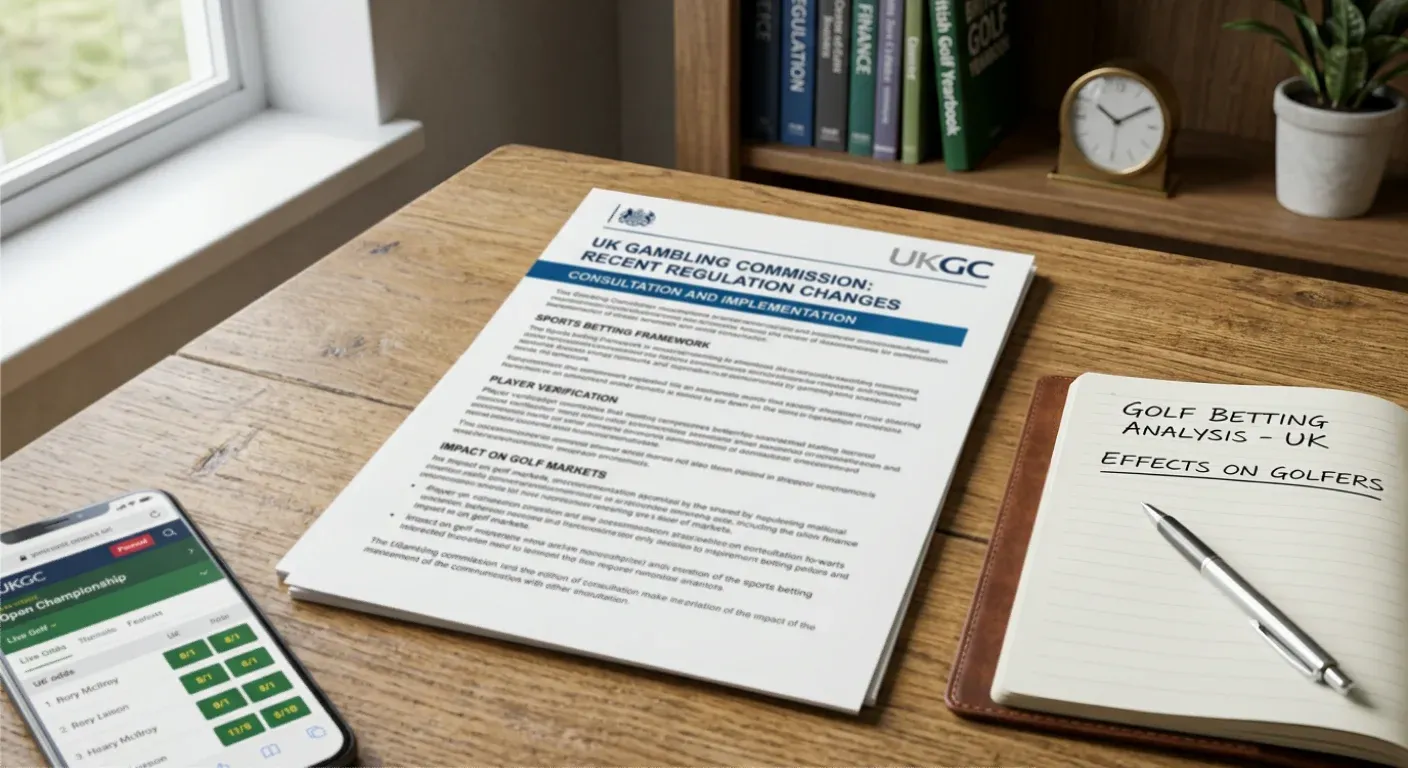
Enhanced verification requirements have shortened the time window between sign-up and the requirement to verify identity. Most UK licensed operators in 2026 require full verification before allowing withdrawals, and many require it before allowing deposits above a threshold. This is compliance with Anti-Money Laundering requirements rather than operator policy.
The practical advice: complete verification at every account you open as soon as the option is available, before you have a withdrawal pending. Nothing is more frustrating than landing a significant each-way return and discovering you need to submit documents before it clears. The administrative friction of maintaining compliant accounts is genuinely small compared to the protection it provides.
Player Protections You Should Use
UKGC-licensed operators are required to offer specific responsible gambling tools that every bettor should understand, regardless of whether they consider themselves at risk. Deposit limits allow you to cap how much you can deposit in a day, week, or month — set to a level that matches your intended betting activity, not left unlimited by default.

Session time limits and reality checks are available at all licensed operators. Cooling-off periods — typically 24 hours, extendable — can be self-applied without the more permanent implications of self-exclusion. Loss limits cap how much you can lose in a specific period.
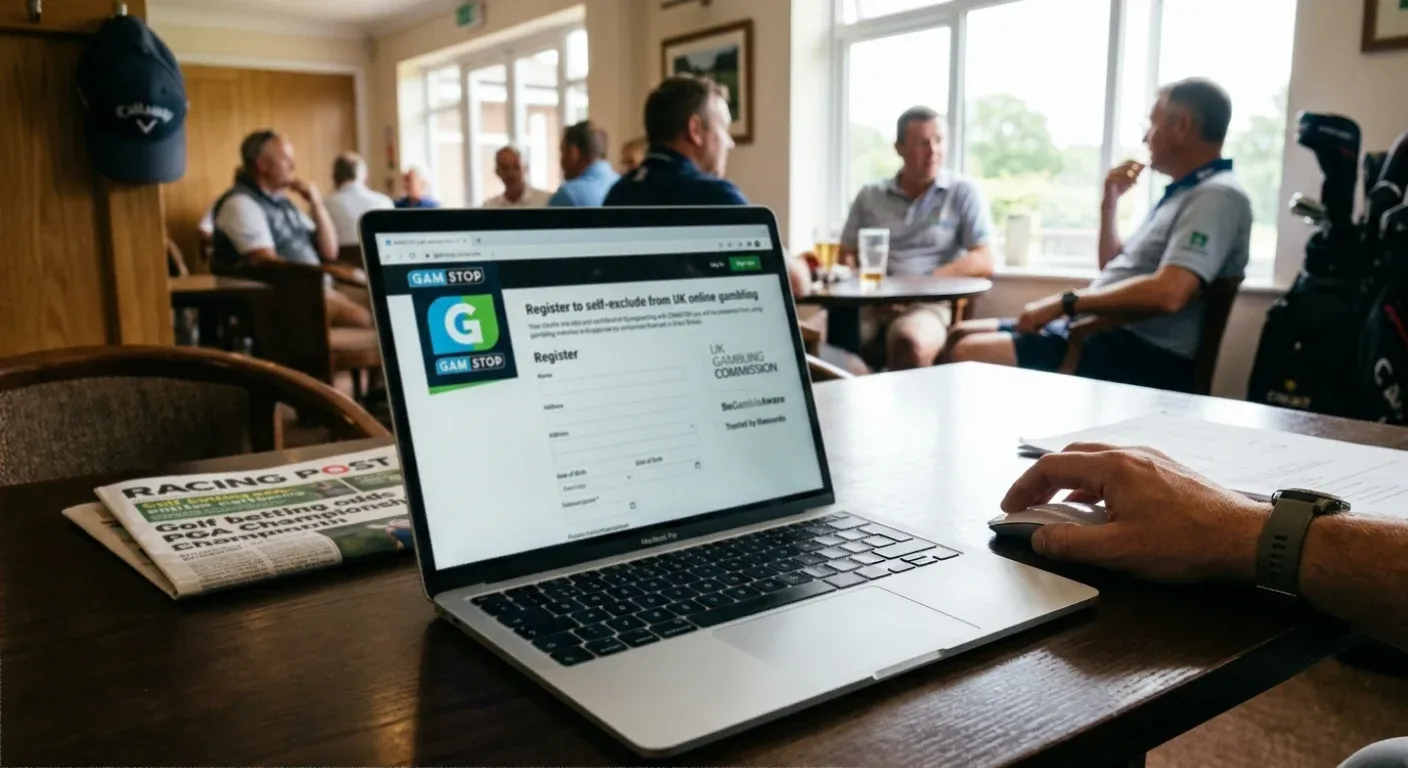
GamStop is the national self-exclusion scheme that applies simultaneously across all UKGC-licensed operators. A GamStop registration excludes you from all licensed UK online gambling for a minimum of six months. This is a meaningful tool for anyone whose betting activity is causing genuine concern — it’s comprehensive and difficult to reverse during the exclusion period, which is precisely what makes it effective. For a full understanding of how these tools interact with the practical aspects of managing your golf betting activity, the complete guide to responsible gambling tools is covered in detail in the article on best bookmakers for golf betting UK.
Frequently Asked Questions
Is online golf betting legal in the UK?
Yes. Online sports betting including golf is fully legal for adults aged 18 and over in the UK, provided you bet with a UKGC-licensed operator. Betting with unlicensed operators is not illegal for the consumer but removes all regulatory protections. The UK Gambling Commission's public register of licensed operators is the definitive source for verifying any operator's status.
What is the Gambling Commission and how does it protect bettors?
The UK Gambling Commission is the statutory regulator for commercial gambling in Great Britain, established under the Gambling Act 2005. It licences all operators, enforces compliance with consumer protection standards, and operates a dispute resolution framework. Protections include: segregated customer funds, mandatory dispute resolution through IBAS, GamStop integration, and standardised responsible gambling tools. These protections only apply when betting with UKGC-licensed operators.
How can I tell if a betting site is UKGC-licensed?
Every UKGC-licensed operator must display their licence number in the footer of their website. Cross-reference this number against the Gambling Commission's public register of licensed operators, which is free to search online. If the licence number isn't displayed or doesn't return a result on the register, the operator is not licensed. Do not deposit money with unlicensed operators regardless of their promotional offers.
Articles
PGA Tour Free Picks
The paid tipster subscription industry exists because most people don't believe they can do this analysis themselves. Some of that…
Golf Betting Value Bets Explained
The word "value" gets thrown around in betting circles so often it's almost lost meaning. Every tipster claims to find…
Golf In-Play Betting Tips
Saturday afternoon, final round of a DP World Tour event, and the lead changes hands five times between the 12th…
Ryder Cup Betting Tips
The Ryder Cup is the event where everything I know about individual player form becomes significantly less useful than my…
