
US Open Golf Betting Tips: Scoring Hard and Finding Resilient Players
 Available in US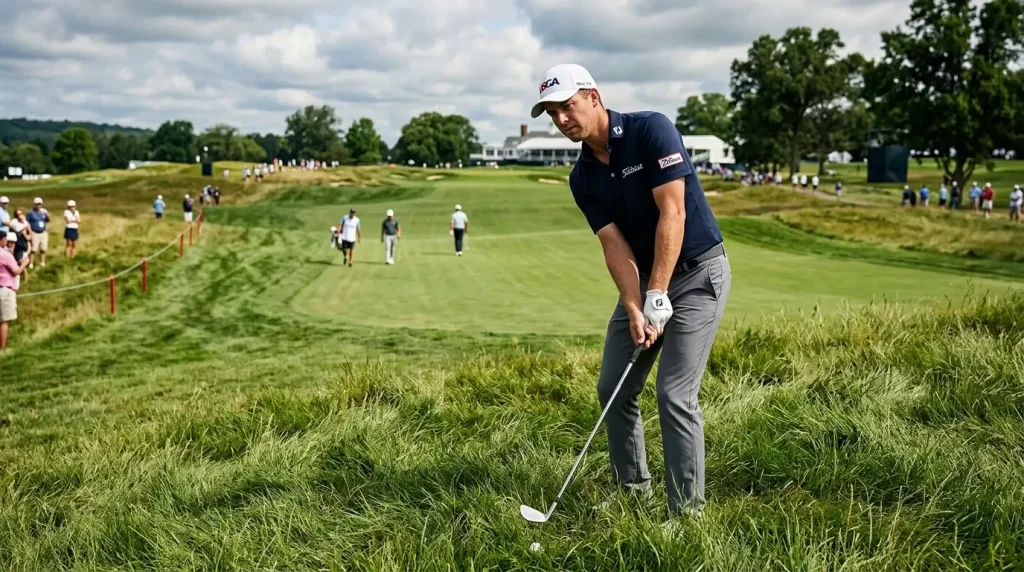
The US Open is the only Major where the tournament organisers are explicitly trying to make it hard to score well — and they succeed. The USGA’s brief for US Open setup has always been to identify the best player in the world under the most demanding conditions it can create. Narrow fairways, long rough, slick greens, and pin positions that punish anything above the hole: the US Open is a test of precision, patience, and resilience over four days. Understanding which players pass that test consistently is the analytical work that separates the sharp US Open punter from the one backing the form horse who plays best at stadium events in Arizona.
The USGA’s Demands: Why US Open Plays Differently
Most PGA Tour events reward aggressive play. Drivers are routinely hit from tight lies on target lines that maximise distance. Approaches are aimed at the flag rather than the fat part of the green. Risk is rewarded because the fairways are generous and the rough is manageable. The US Open systematically inverts most of those conditions.
Fairways at a typical US Open setup are three to four yards narrower than a standard PGA Tour event. The rough is grown to four to five inches — sometimes more on approach shot angles — which creates genuine penalty for anything missing the short grass. Greens are firmed up to near-maximum pace, making the aerial approach game even more difficult because the ball doesn’t stop where it lands. Pin positions are aggressive: back-right locations on uphill greens, front-left on downhill surfaces — all designed to ensure that “safe” shots to the fat part of the green leave 30- to 40-foot putts.
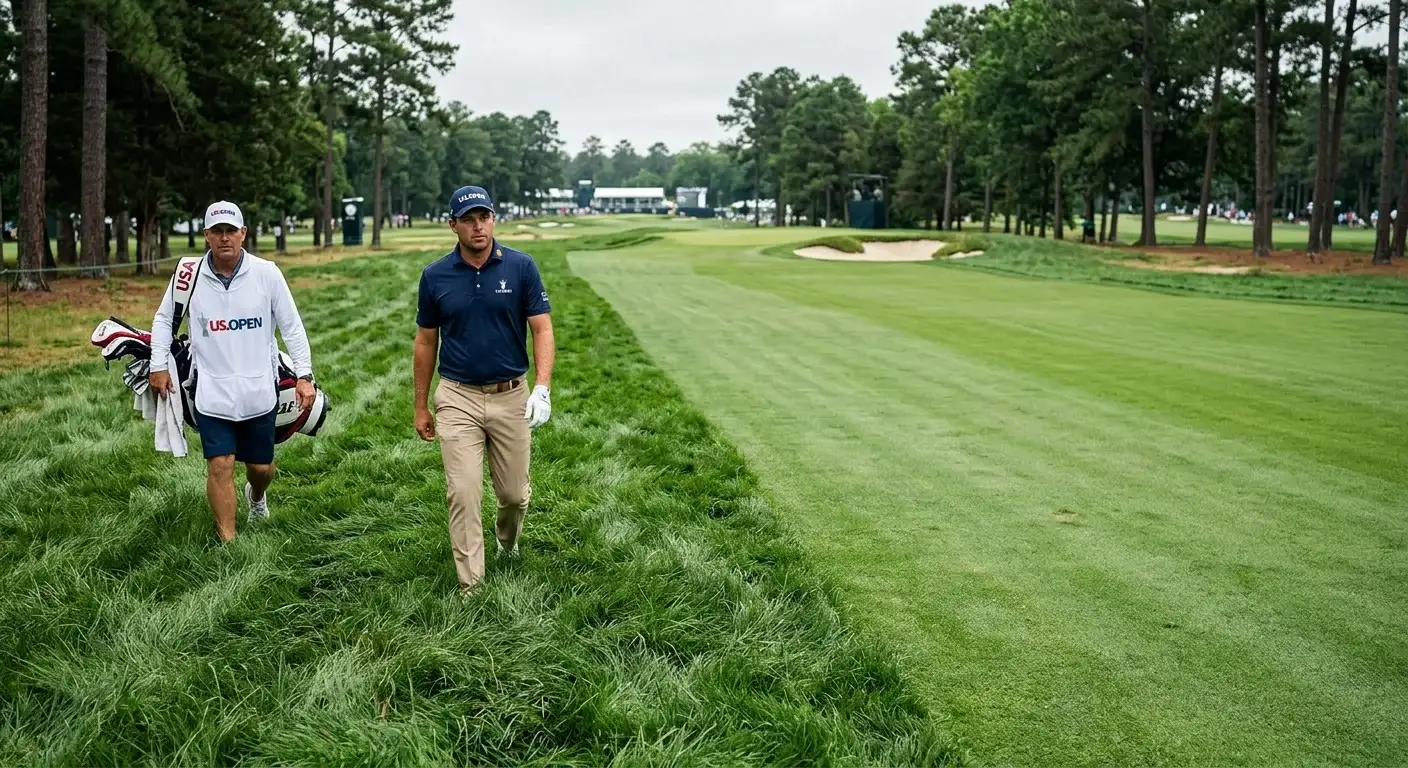
The effect on scoring: US Open winning totals are typically four to six shots higher than Masters or PGA Championship winning totals at equivalent course lengths. A winning total of -5 or -10 at a US Open is comparable in difficulty to -20 at a regular event. The players who contend are the ones who can sustain accuracy and patience for 72 holes under these extreme conditions — and who don’t collapse psychologically when the course fights back.
Strokes Gained analysis shows consistent patterns across US Open results. Specifically, SG:APP and SG:OTT — approach play and driving — are the dominant predictors. Multiple US Open finalists across recent editions gained significantly above tour average on approach play. Players gaining strokes on approach are finding fairways and hitting controlled irons — exactly the skills the USGA setup taxes most heavily.
Key Stats for US Open Contenders
After studying approach play as the most predictive metric for Augusta, it’s tempting to apply the same framework to the US Open — and approach play is certainly relevant. But the US Open adds a driving accuracy dimension that Augusta doesn’t emphasise to the same degree. Missing fairways at Augusta is recoverable; missing fairways at a US Open setup is not.
Driving accuracy percentage — specifically the proportion of fairways hit — is a meaningful additional filter for US Open selection. A player hitting 65% of fairways on normal PGA Tour events is operating at or above average. At a US Open, where the penalty for missing is dramatically higher, the players who find 70% or more of fairways are systematically advantaging themselves relative to those hitting 58-62%. Check driving accuracy alongside SG:OTT — a player can gain strokes off the tee through distance even if their accuracy is below average, but at a US Open setup that combination is risky.

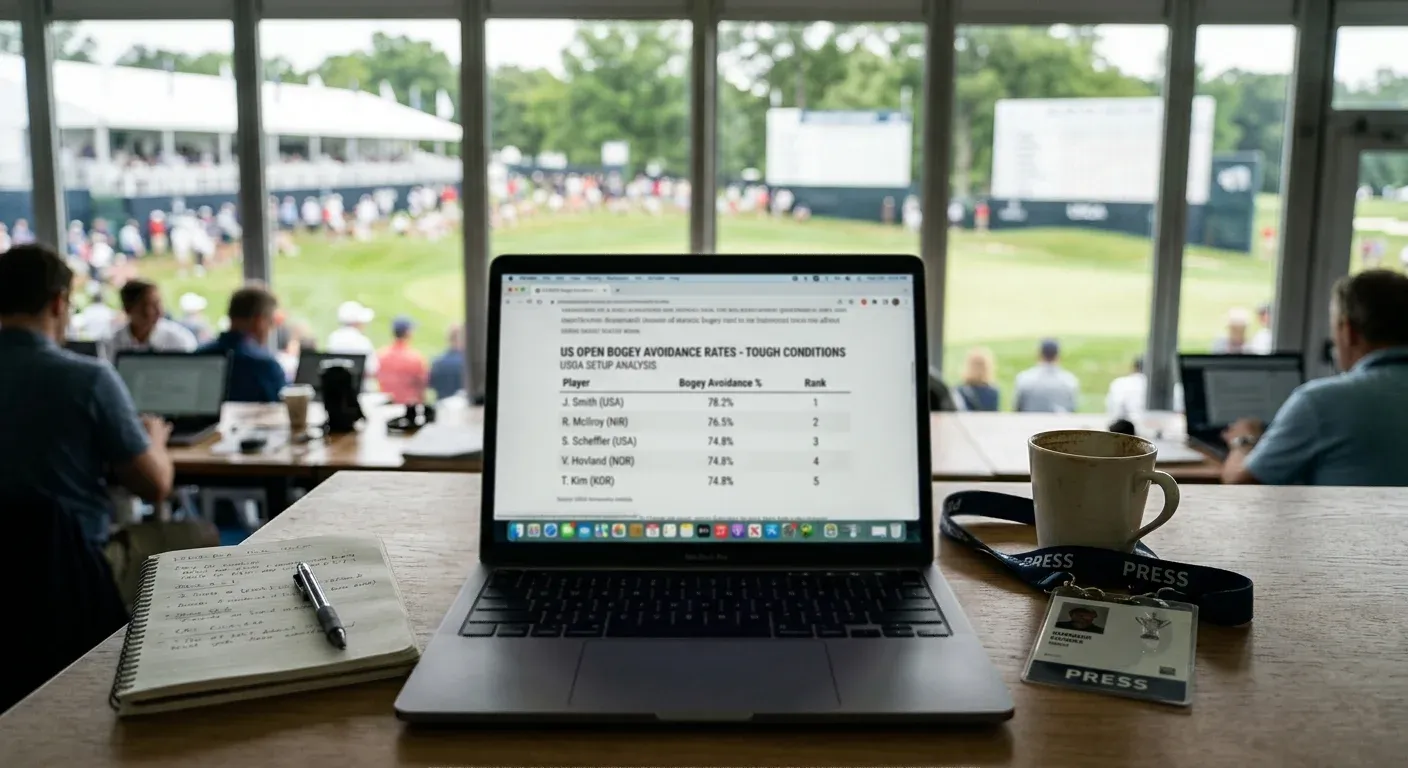
Bogey avoidance rate is the US Open-specific filter I weight most heavily beyond the standard SG metrics. The ability to make par when the course is fighting back — scrambling from rough, making difficult four-footers for bogey after aggressive pins, managing the psychological pressure of a grind — defines US Open champions. Players who show elite bogey avoidance in difficult conditions are worth a significant premium over those whose positive SG numbers come primarily from birdie-making in benign conditions.
Putting on fast, undulating greens is the third component. US Open greens in tournament preparation are among the quickest in professional golf. SG:P numbers on bentgrass in the prior 12 months are the most relevant historical filter — but recent form on the specific preparation the USGA uses is better yet. Some analytics platforms break down SG:P by green speed category, which is the most granular useful data point for this purpose.
Course Rotation and How Venue Changes Betting Strategy
The US Open rotates through a set of established venues plus occasional new additions: Pinehurst No. 2, Pebble Beach, Oakmont, Winged Foot, Torrey Pines, and others. The course rotation matters enormously for betting strategy because each venue has distinct characteristics that emphasise different skills.
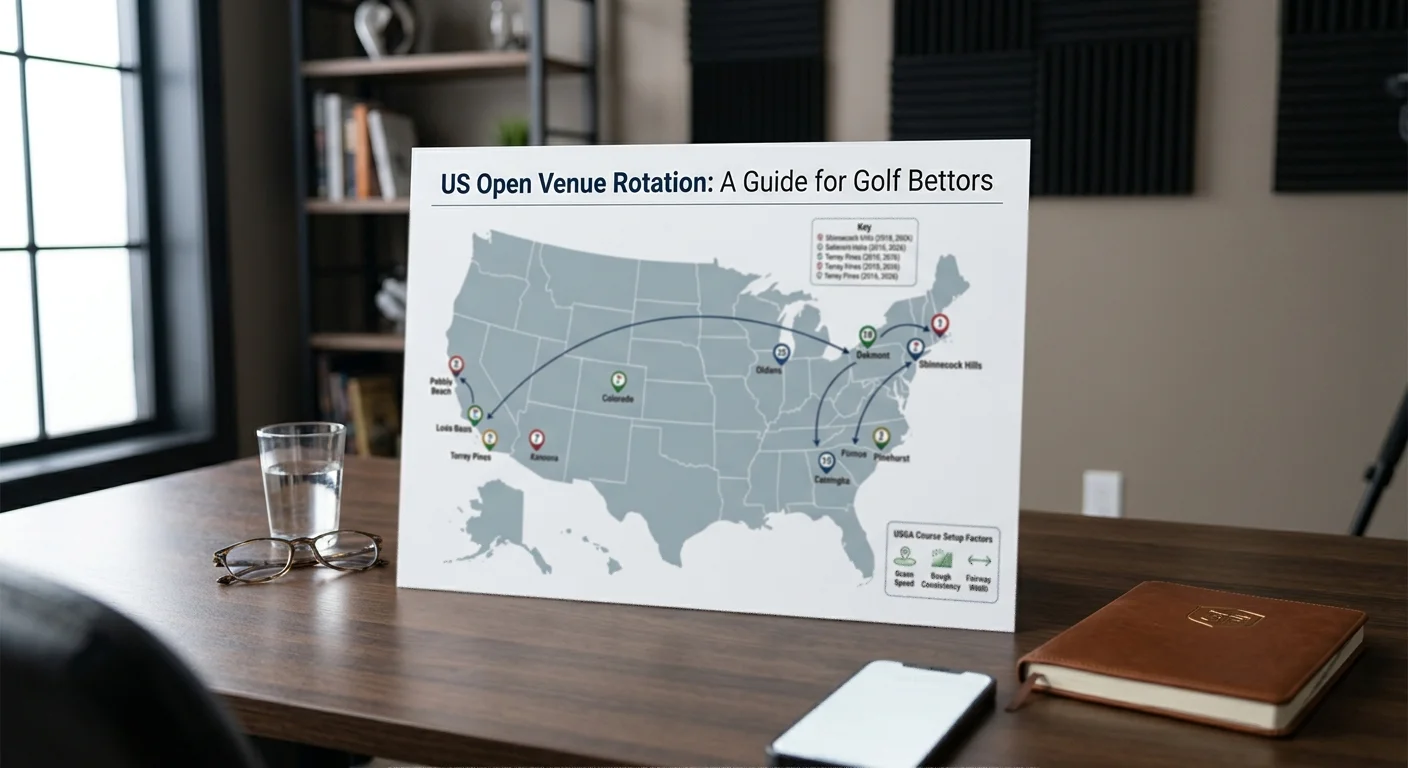
Pebble Beach is a coastal clifftop course with small greens, significant wind exposure, and a premium on precision approach play. The player who wins Pebble Beach is typically a precise iron player who doesn’t need to overpower the course — length is less important than accuracy and touch. Pinehurst No. 2 with its famous turtle-back greens rewards the most creative and precise approach play in major championship golf — shots that miss the green by two yards are rejected by the slopes and leave challenging up-and-downs. Oakmont is long, demanding, and rewards power combined with accuracy.
DataGolf’s database contains records across over 2.1 million professional results and includes venue-specific performance splits. Before any US Open, filtering for each player’s historical performance on courses with similar architectural characteristics to the current venue — narrow corridors, similar rough length, comparable green speed — gives you a more predictive dataset than their overall US Open record, particularly for players with limited US Open history.
Venue changes also affect which long-shot candidates make sense as each-way bets. At a course that rewards precision above all else, the players priced at 50/1 to 100/1 who are genuinely elite approach players but below average in other departments become more interesting. At a length-plus-accuracy venue, the profile shifts. Matching your longshot selection methodology to the specific venue demands is worth the extra research time. For the complete approach to researching any individual tournament, the step-by-step guide to golf course form analysis covers the framework in full detail.
Each-Way Strategy for a Tough-Scoring Major
The US Open’s difficulty creates an interesting each-way dynamic. Because scoring is so compressed — the difference between winning and finishing 20th might be only eight shots in a tournament where everyone struggles — the place finishing probability for genuine contenders is higher than at standard events. A player with a realistic winning probability of 5% might have a top-eight finishing probability of 20-25% at a US Open.

This compression of scores makes each-way betting particularly attractive for players you’ve identified as fitting the US Open profile. At eight-place each-way terms, the place price on a 30/1 shot is 6/1. If your assessed probability for a top-eight finish is 18-20%, that’s genuine positive expected value in the place component. Standard market odds don’t always fully reflect the scoring compression effect — the market is priced on overall player quality, not specifically on US Open-specific player quality.
I avoid backing the short-price favourite each-way at the US Open specifically because the scoring compression works against it. If a favourite is priced at 7/1 for the win with a 12% implied winning probability, their place probability at eight places might be 35%. The place price at one-fifth odds gives you 7/5 — a terrible return on what is a moderately likely outcome. The value concentrates in the 20/1 to 60/1 range where the gap between winning and placing probability is widest.
Frequently Asked Questions
Which player stats best predict US Open performance?
SG:APP (approach play) combined with driving accuracy percentage are the most predictive combination. Bogey avoidance rate under difficult conditions is the qualitative filter that separates US Open winners from general good players. SG:P on bentgrass in fast conditions adds a third layer. Prioritise players who excel specifically in precision and grinding rather than attacking play.
Does the US Open venue change affect betting strategy significantly?
Yes. Each venue in the US Open rotation has distinct characteristics. Pebble Beach rewards precise iron play and wind management. Pinehurst No. 2 requires elite scrambling and green-side creativity. Oakmont demands power combined with accuracy. Filtering player analysis specifically to skills relevant to the current venue — rather than using generic 'US Open form' as a filter — produces stronger selections.
Is each-way betting good value at the US Open?
Each-way betting is particularly well-suited to the US Open because scoring compression makes the gap between winning and placing probability wider than at other Majors. With eight-place each-way terms, genuinely identified contenders in the 20/1 to 60/1 range often show strong positive expected value in the place component. Avoid backing short-priced favourites each-way as the place return is poor relative to the likely placing probability.
Articles
Golf Betting Unlicensed Sites
Someone in a golf betting forum I follow shared their "secret" for getting better odds: they'd found an offshore site…
Weather Conditions and Golf Betting
I've been studying golf betting for long enough to have sat through dozens of major events where the weather turned…
PGA Tour Free Picks
The paid tipster subscription industry exists because most people don't believe they can do this analysis themselves. Some of that…
Golf Course Form Guide
The laziest analysis in golf betting is "he's won here before." The most sophisticated analysis acknowledges that course history matters…
